How to take care of them
1. Habitat Requirements
Goldfish should never be kept in bowls. Bowls lack filtration and oxygen, leading to stunted growth and early death. Tank Size:
Fancy Goldfish (e.g., Orandas, Fantails): Minimum 20–30 gallons for the first fish and 10 gallons for each additional fish.
Common/Comet Goldfish: These grow up to 12+ inches and are ideally suited for ponds. If kept indoors, they need at least 55–75 gallons.
Filtration: Goldfish produce a high "bioload" (waste). Use a filter rated for at least twice your tank's volume.
Substrate: Use sand or large river stones. Small gravel is a choking hazard as goldfish naturally sift through the bottom for food.
2. Water Quality & Maintenance
The Nitrogen Cycle: Before adding fish, you must "cycle" your tank for 3–6 weeks to grow beneficial bacteria that neutralize toxic ammonia.
Water Changes: Perform a 25–50% water change weekly. Always use a water conditioner to remove chlorine and chloramines from tap water.
Temperature: Most goldfish prefer stable room temperatures (65–75°F). While they are cold-water fish, fancy varieties benefit from a heater to prevent fluctuations.
3. Diet & Feeding
Sinking Pellets: Use high-quality sinking pellets rather than flakes. This prevents the fish from gulping air at the surface, which causes "swim bladder" or buoyancy issues.
Vegetables: Supplement their diet with blanched greens like peas (deshelled), spinach, or kale to aid digestion.
Frequency: Feed small amounts 1–2 times daily. Only give what they can finish in under 2 minutes; overfeeding is the leading cause of health problems.
aquariam
Aquariums for fish range from small desktop setups to large freestanding tanks, often sold as "all-in-one" kits that include essential components like filters and lighting. For beginners, a tank of at least 10 to 20 gallons is often recommended because larger water volumes are more stable and easier to maintain.
Desktop and Nano Aquariums
These compact tanks are ideal for small spaces like offices or nightstands and are best suited for a few small inhabitants like bettas or shrimp.
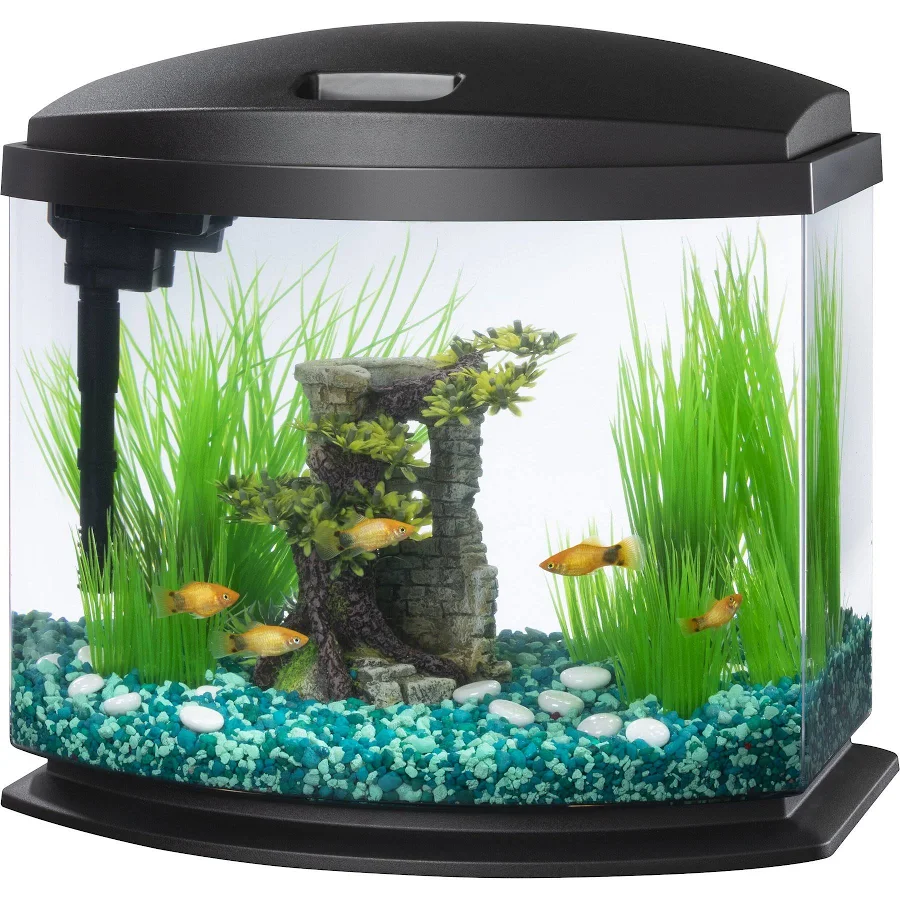
72.99
Aqueon LED MiniBow Small Aquarium Fish Tank Kit
A 5-gallon acrylic option designed for easy water changes, making it a "no-frills" choice for beginners.
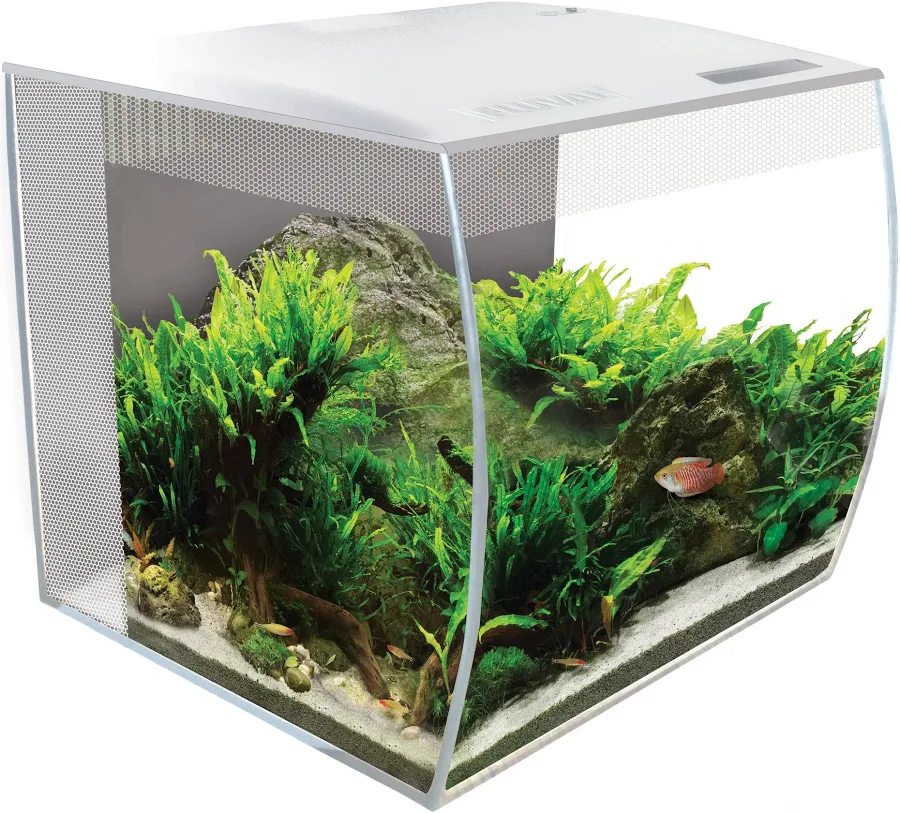
139.99
Fluval Flex Aquarium Kit
Named "Best Overall" for small spaces by The Spruce Pets, it features a unique curved front and hidden multi-stage filtration.
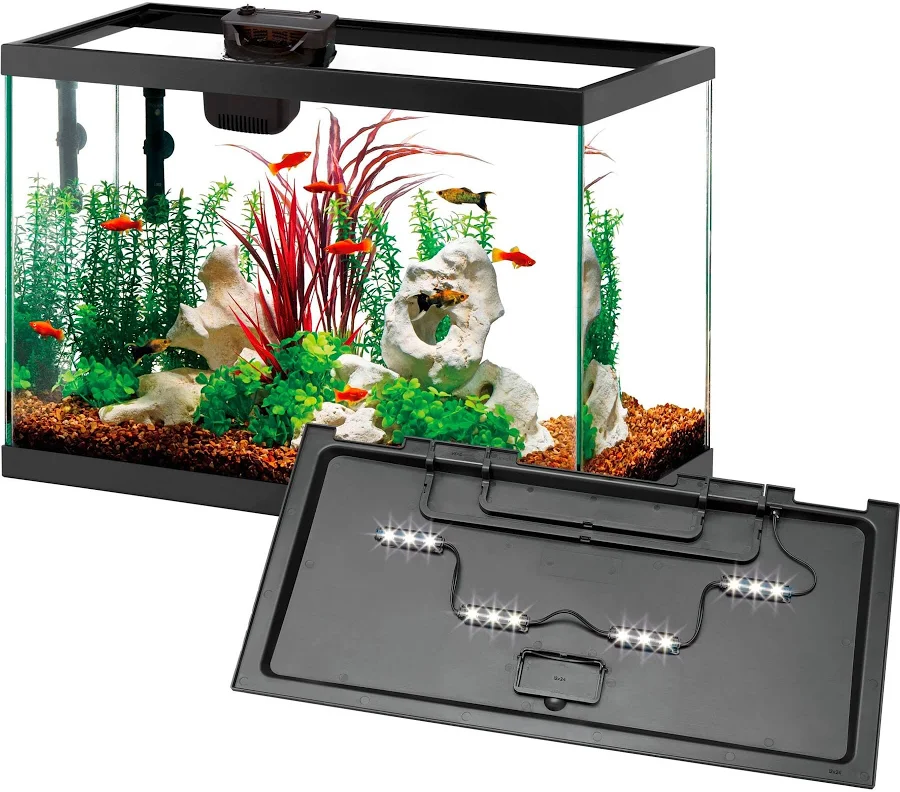
189.99
Aqueon Smart Clean Filtration LED Fish Aquarium Starter Kit
Features:"SmartClean" technology designed to make water changes faster and easier, plus a preset heater and LED lighting.
Medium to Large Starter Kits
Larger kits provide more room for a variety of fish and are often more forgiving for first-time owners.
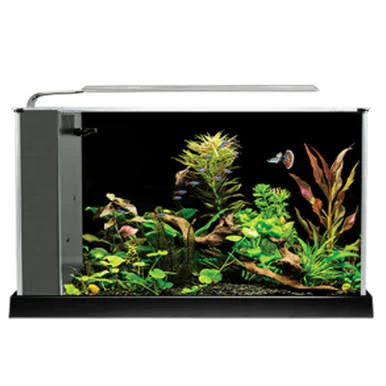
152.67
Tetra Complete LED Aquarium Kit
Recommended as a top beginner choice, this kit includes a 200-watt heater, filter, and LED hood.
155.99
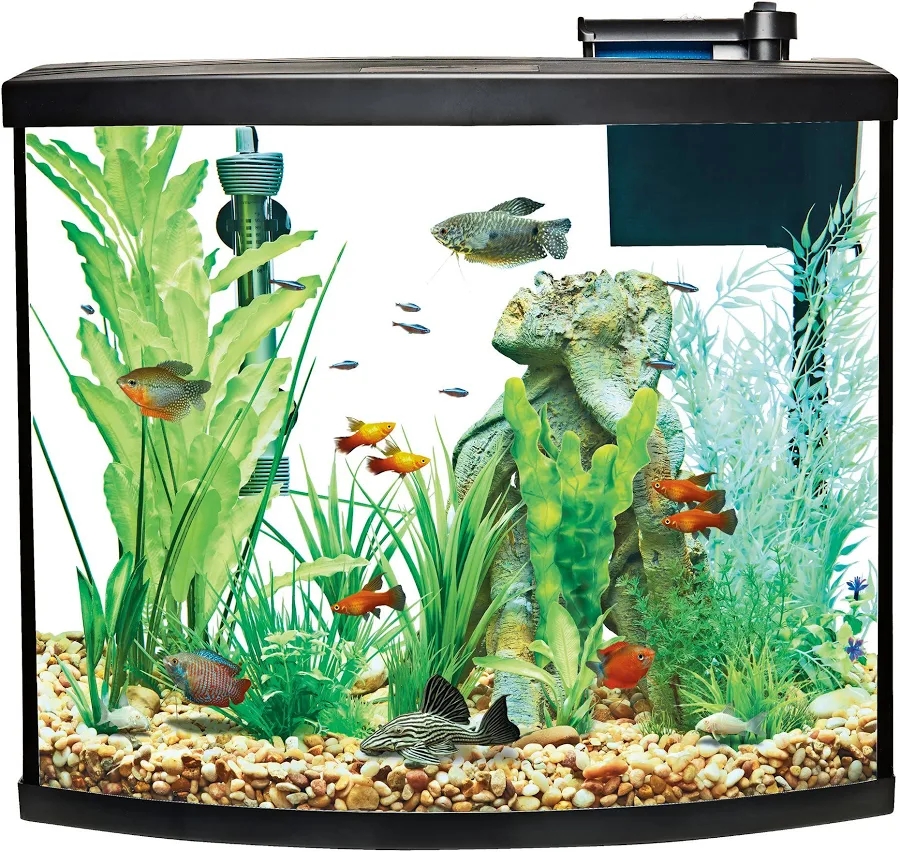
PetSmart Top Fin Bow Front Aquarium Starter Kit
This 36-gallon glass tank is praised for its attractive curved glass and includes a thermometer, net, and heater.
499.99
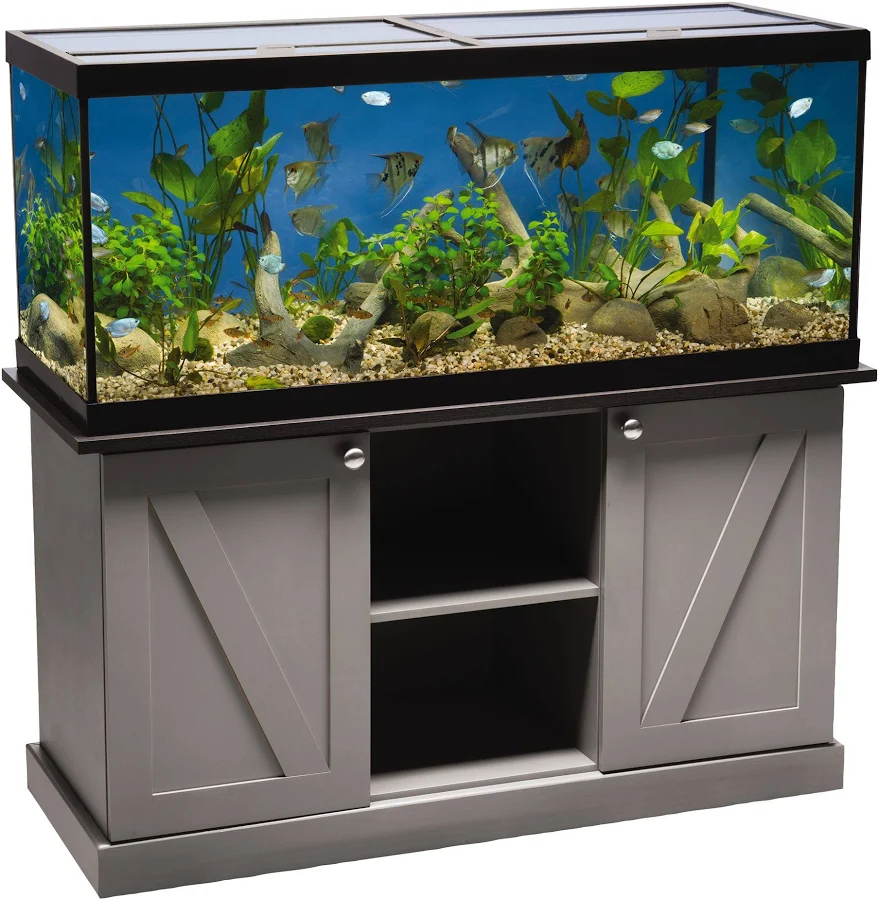
Marineland 75 Gallon High Definition LED Ensemble
A premium large-scale option that includes a farmhouse-style stand and high-definition lighting.
Essential Equipment Checklist
1.Filtration System: Necessary for water circulation and removing waste
2.Heater and Thermometer: Required for tropical fish to maintain stable water temperatures.
3.Lighting: Promotes plant growth and illuminates the tank.
4.Substrate: Gravel or sand for the bottom of the tank.
5.Water Conditioner: De-chlorinates tap water to make it safe for fish.
6.Maintenance Tools: Including a net and a gravel vacuum (siphon) for water changes.
Food
Choosing the right fish food depends on the specific nutritional needs of your fish and where they feed in the water column. High-quality staple foods, such as flakes or pellets, should be supplemented with frozen or freeze-dried treats to provide a varied and healthy diet.
Top Recommended Fish Foods
Experts and hobbyists recommend these specific products for different aquarium needs:
Staple Dry Foods
These are the most common and convenient options for daily feeding, available in various formats to suit different types of fish.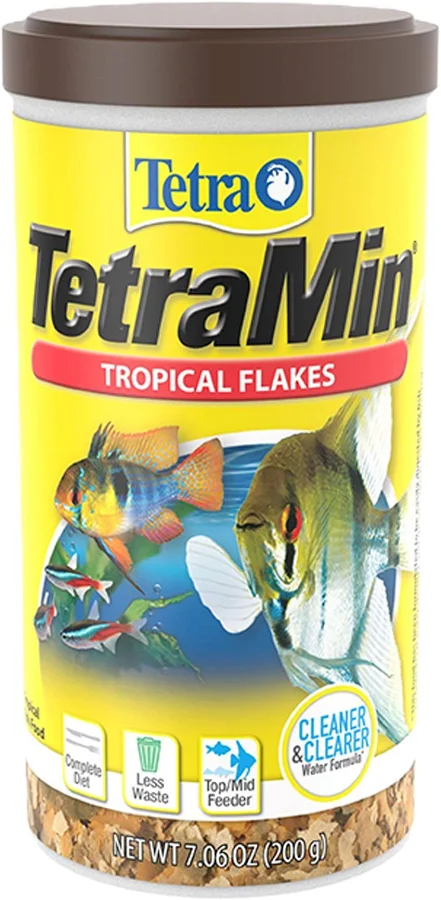
13.97
new price
$17
original price
TetraMin Tropical Flakes Fish Food
A popular, nutritionally balanced diet for top- and mid-feeding fish. It features a "Clean and Clear Water Formula" to reduce waste and keep the tank clean.
11.99
new price
$19
original price
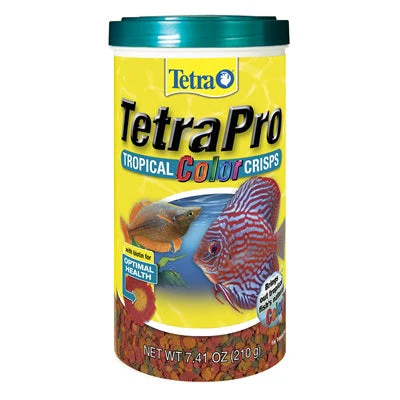
TetraPro Tropical Color Crisps
Advanced nutrition made with a low-heat process to preserve vitamins. They float longer than standard flakes and are praised by users for not creating a messy or cloudy tank.
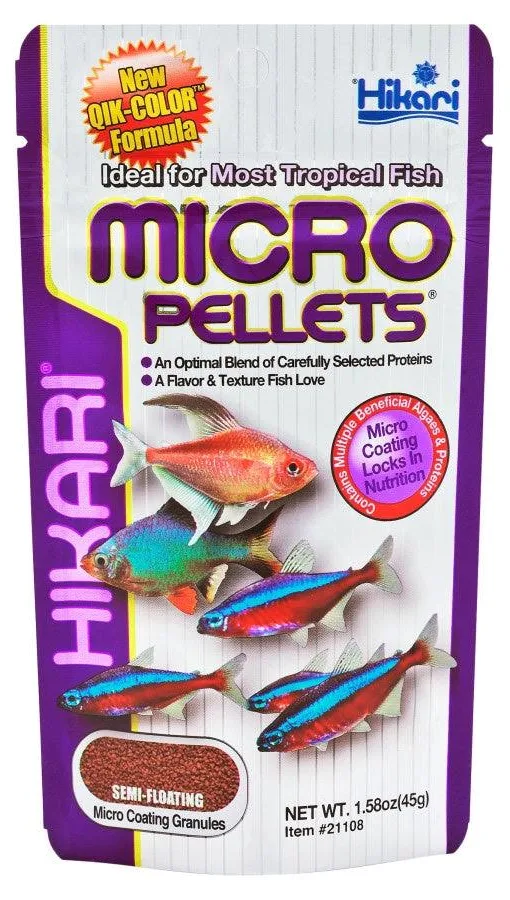
8.95
Hikari Tropical Micro Pellets
These multi-colored, slow-sinking granules are designed for small-mouthed fish like tetras and barbs. Users on Nature AquariumsUS note they are not messy and help fish grow.
Specialized Diets by Species
Different fish have unique digestive systems and feeding zones.
Bottom Feeders: Species like Corydoras and Plecostomus need sinking foods. Tetra PRO PlecoWafers or Aqueon Shrimp Pellets are designed to reach the substrate before dissolving.
Goldfish: Require a specific balance of protein and plant matter. TetraFin Goldfish Flakes are a standard choice, providing high digestibility and immune support.
Bettas: Primarily carnivorous, they thrive on high-protein options like Ultra Fresh Betta Pro Shrimp Patties or specialized floating pellets.
Fresh and Frozen Supplements
Providing variety through "real" food helps prevent nutrient deficiencies and supports vibrant colors.
Frozen/Freeze-Dried: Bloodworms, brine shrimp, daphnia, and mysis shrimp are excellent high-protein treats for almost all community fish.
Fresh Vegetables: Herbivores and omnivores (like Plecos and Silver Dollars) benefit from blanched peas (with shells removed), zucchini, and spinach.
Gel Foods: Soft foods like Repashy Super Gold are highly customizable and often easier for sensitive fish to digest.
Feeding Tips
Quantity: Only feed what your fish can consume within 2 to 3 minutes. Uneaten food decays and causes toxic ammonia spikes.
Frequency: Most adult fish do well with one or two feedings per day, while growing fry may need three or four smaller meals.
Water Quality: High-quality foods use fewer "fillers" (like excess grains), which leads to less waste and cleaner aquarium water.
What types of fish do you currently have in your tank so I can provide a more tailored feeding plan?| Fish food | |||
|---|---|---|---|
| Product | Merchant | Price | |
| TetraMin Tropical Flakes (2.2 oz) | Walmart | $9.95 | |
| Tetra Color Tropical Flakes (2.2 oz) | PetSmart | $7.97 | |
| Hikari Micro Pellets (1.58 oz) | Aquarium Co-Op | $6.99 | |
| Hikari Algae Wafers (2.89 oz) | PetSmart | $6.99 | |